Introduction to CIKA4D and Indoor Agriculture
As the world becomes increasingly urbanized and food demand escalates, indoor agriculture has emerged as a groundbreaking solution. CIKA4D is at the forefront, providing innovative design and construction services tailored for indoor agricultural needs. This comprehensive approach encompasses everything from grow rooms and vertical farming to controlled horticultural facilities. In 2026, the challenges of traditional farming are starkly contrasted with the potentials of indoor farming, highlighting the importance of technologies that CIKA4D integrates into its processes. Exploring options like cika4d can provide comprehensive insights into how modern agriculture can transform food production.
Understanding the CIKA4D Concept
The CIKA4D concept represents a synthesis of advanced agricultural practices and cutting-edge design principles. It is designed to facilitate the growth of a diverse range of plants in artificially controlled environments, maximizing efficiency and productivity. The emphasis on a structured approach allows for precision in every aspect, including lighting, temperature control, and irrigation systems, ensuring that crops receive optimal conditions.
The Importance of Indoor Agriculture Today
With the increasing pressure on land and water resources, indoor agriculture offers a viable way to meet the rising food demands of urban populations. By utilizing space more efficiently, CIKA4D enables farmers to grow food closer to consumers, thereby reducing transportation costs and carbon footprints. Moreover, indoor farming practices significantly minimize the use of pesticides and fertilizers, producing healthier crops that are both sustainable and environmentally friendly.
Challenges Facing Indoor Farmers
Despite the numerous benefits, indoor agriculture faces unique challenges. High initial investment costs, the complexity of systems integration, and the need for ongoing technical support can deter potential newcomers. Additionally, maintaining ideal growing conditions requires constant monitoring and adjustment, which can be resource-intensive. Addressing these challenges is crucial for the continued growth and success of the industry as a whole.
Designing Efficient Indoor Agriculture Spaces
Key Design Principles of CIKA4D Facilities
Designing an efficient indoor agriculture space entails understanding the specific needs of the crops being grown. CIKA4D incorporates key design principles that enhance functionality, including:
- Modular layouts: This allows for easy expansion or modification of the growing area.
- Natural light incorporation: Utilizing skylights and transparent materials can reduce energy costs.
- Ergonomic workflows: Designing workspaces that facilitate easy access to all areas improves efficiency and safety.
Technologies Transforming Indoor Agriculture
The integration of technology plays a significant role in CIKA4D’s design philosophy. Innovations such as:
- Hydroponics and aeroponics: These soil-less growing methods use less water and enable faster plant growth.
- Smart sensors: Monitoring temperature, humidity, and nutrient levels can automate adjustments and optimize conditions.
- LED grow lights: Energy-efficient lighting tailored to plant requirements enhances growth and reduces costs.
Maximizing Space: Vertical Farming Techniques
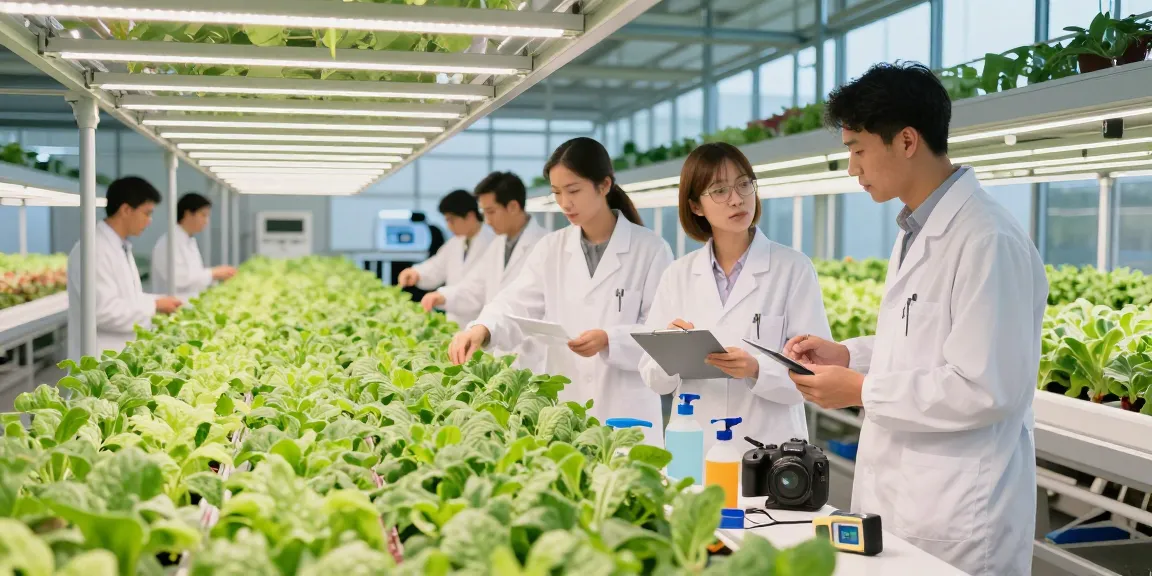
Vertical farming represents an effective strategy to make the most of limited space. By stacking growing layers, CIKA4D can significantly increase the number of crops grown per square foot. This method not only maximizes land use but also enhances control over environmental factors, which can lead to increased yields.
Construction Best Practices for Indoor Agriculture
Choosing Sustainable Materials
When constructing indoor agriculture facilities, selecting sustainable materials is vital. CIKA4D emphasizes the use of renewable resources and recyclable materials to minimize environmental impact. For example, using reclaimed wood and low-VOC (volatile organic compound) paints contributes to healthier indoor environments.
Integrating Energy-Efficient Systems
Energy efficiency is paramount in indoor agriculture to reduce operational costs and carbon footprints. Implementing systems such as efficient HVAC (heating, ventilation, and air conditioning), solar power integration, and rainwater harvesting can enhance sustainability. CIKA4D designs facilities that not only focus on immediate energy needs but also on long-term sustainability goals.
Timelines and Budgeting for CIKA4D Projects
Effective project management in indoor agriculture involves careful budgeting and realistic timelines. CIKA4D employs a phased approach, where each stage of the project is meticulously planned and executed. This helps in avoiding cost overruns and delays, ensuring that projects are completed on time and within budget.
Future Trends in Indoor Agriculture and CIKA4D
Emerging Technologies in 2026
As we look toward 2026, several technologies are anticipated to transform indoor agriculture even further. From advancements in artificial intelligence that can predict crop yields to the deployment of blockchain for transparency in supply chains, the future of farming is promising. CIKA4D stays ahead by anticipating these trends and adapting its offerings accordingly.
Predictions for the Indoor Farming Industry
The indoor farming industry is predicted to grow substantially in the coming years. Innovations such as genome editing in crops and the widespread adoption of automation technologies will enhance productivity and resilience against climate variability. CIKA4D will likely play a crucial role in harnessing these advancements to provide cutting-edge facilities.
Global Impact of Sustainable Practices
On a global scale, transitioning to sustainable practices in agriculture is imperative. Indoor farming, particularly through CIKA4D’s initiatives, can mitigate the impacts of climate change by reducing land degradation and promoting biodiversity. As more practitioners adopt these methods, the overall sustainability of the food production system will improve significantly.
Conclusion and Call to Action
How CIKA4D Can Enhance Your Farming Business
For those in the agricultural sector looking to innovate and optimize their operations, CIKA4D offers tailored solutions that address modern farming challenges. By leveraging advanced design and technology, businesses can thrive in the indoor agriculture space.
Next Steps for Interested Farmers
Farmers interested in transitioning to or enhancing their indoor agricultural practices should start by consulting with CIKA4D professionals. Assessing current practices and identifying areas for improvement can pave the way for a successful transformation.
Frequently Asked Questions
What are the benefits of using CIKA4D?
CIKA4D offers unparalleled expertise in designing and constructing indoor agricultural spaces that optimize plant growth while maximizing resource efficiency.
How to get started with indoor agriculture?
Getting started involves conducting thorough research and consultation with industry experts like CIKA4D to determine the best approach tailored to your specific needs.
What technology does CIKA4D implement?
CIKA4D employs a range of technologies including hydroponics, smart sensors, and energy-efficient lighting systems to enhance indoor agriculture operations.
What are common challenges in indoor farming?
Challenges can include high startup costs, technical complexities, and the need for constant environmental monitoring.
How does indoor agriculture impact sustainability?
Indoor agriculture significantly reduces reliance on land and water resources while minimizing pesticide use, contributing to a more sustainable food system.