Understanding Neuro Spine Care: Key Concepts and Innovations
The field of neuro spine care encompasses a range of treatments and technologies aimed at addressing complex spine-related conditions. With the advent of advanced technologies and innovative treatment methods, the approach to spine care is more effective than ever. For individuals facing spine issues, understanding their condition and the available treatment options is crucial. When exploring options, the Neuro Spine Care Center provides comprehensive insights and tailored care for various spine challenges.
What is Neuro Spine Care?
Neuro spine care focuses on the diagnosis, treatment, and rehabilitation of conditions related to the spine and nervous system. This specialty integrates neurology, orthopedics, and pain management to provide holistic care. Common issues treated in this field include herniated discs, spinal stenosis, and degenerative spine diseases. Neuro spine specialists are trained to utilize both conservative and surgical methods to relieve pain and restore function, ensuring patients receive the best possible outcomes.
Recent Innovations in Spine Treatments
Recent years have witnessed significant breakthroughs in spine treatments. Minimally invasive surgeries have gained popularity due to their reduced recovery times and less postoperative pain. Techniques such as endoscopic spine surgery and robotic-assisted procedures enable surgeons to perform complex operations with precision while minimizing damage to surrounding tissues. Additionally, advancements in imaging technologies, like 3D MRI and CT scans, enhance diagnostic accuracy, leading to more effective treatment plans tailored to individual needs.
Importance of Choosing a Specialized Neuro Spine Care Center
Choosing a specialized neuro spine care center is essential for achieving the best results in spine health. These centers offer a multidisciplinary approach, combining expertise from various healthcare professionals. Patients benefit from access to cutting-edge technology and evidence-based treatment protocols. Furthermore, specialized centers typically have a comprehensive support system, including physical therapists and pain management specialists, to aid in recovery and rehabilitation.
Common Spine Disorders and Their Treatment Options
Overview of Common Neuro Spine Disorders
Spine disorders can arise from various underlying causes, including trauma, degeneration, or congenital conditions. Some common disorders include:
- Herniated Discs: Discs may bulge or rupture, pressing on spinal nerves and causing pain.
- Spinal Stenosis: Narrowing of the spinal canal can lead to nerve compression and discomfort.
- Degenerative Disc Disease: Age-related degeneration can cause chronic pain and decreased mobility.
- Spondylolisthesis: This condition occurs when one vertebra slips forward over another, potentially leading to nerve issues.
Understanding these conditions is the first step toward seeking appropriate treatment.
Comparing Non-Surgical and Surgical Approaches
The treatment pathways for spine disorders can be broadly categorized into non-surgical and surgical approaches. Non-surgical options often include physical therapy, medications, and lifestyle modifications aimed at pain management and improving function. These methods are typically recommended initially to avoid invasive procedures.
Surgical interventions are considered when non-surgical options fail to provide relief or when the condition poses significant health risks. Surgical procedures may involve spinal decompression, fusion, or implant placement, depending on the disorder’s nature and severity.
Success Rates of Various Treatments
Success rates for spine treatments vary based on the condition and the chosen method. Non-surgical treatments can yield positive outcomes for many patients, with studies suggesting success rates of up to 70%. Surgical success rates also vary, with spinal fusions generally having success rates between 80-90% for relieving pain and improving functionality. However, it is essential to discuss potential risks and benefits with a specialist to determine the most suitable approach for individual situations.
Patient Experiences: What to Expect from Your Neuro Spine Care Center Visit
Initial Consultation: What Happens?
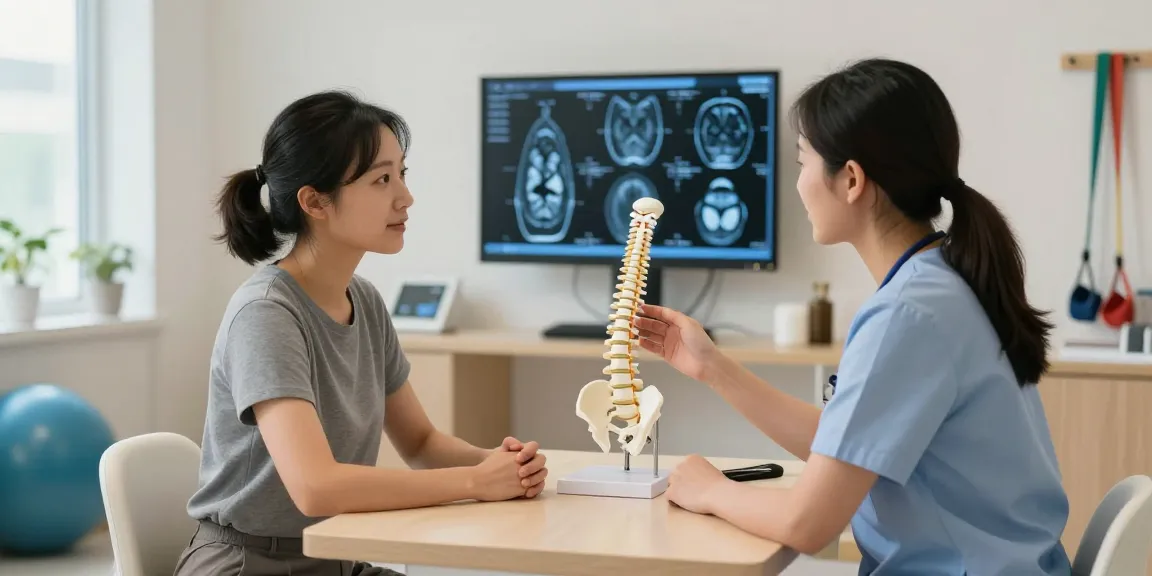
The first visit to a neuro spine care center typically begins with a comprehensive consultation. During this appointment, the specialist will review the patient's medical history, discuss symptoms, and perform a physical examination. This thorough evaluation helps establish a clear understanding of the patient's condition and guides the development of a personalized treatment strategy.
Diagnostic Procedures in Neuro Spine Care
After the initial consultation, additional diagnostic procedures may be recommended to gain further insights into the patient's spinal health. These can include imaging studies like X-rays, MRIs, or CT scans, which provide detailed views of the spine and assist in identifying abnormalities. Electromyography (EMG) tests may also be conducted to evaluate nerve function and pinpoint issues affecting spinal nerves.
Follow-Up Care and Rehabilitation
Follow-up care is crucial for patients recovering from spine conditions, whether undergoing surgical or non-surgical treatment. A robust rehabilitation program is often implemented, focusing on physical therapy to strengthen the muscles surrounding the spine and improve flexibility. Regular follow-up appointments allow specialists to monitor progress, adjust treatment plans, and address any ongoing concerns, ensuring optimal recovery.
Emerging Trends in Neuro Spine Care for 2026
Technological Advances in Spine Surgery
As we approach 2026, the neuro spine care landscape is expected to continue evolving with technological advancements. Innovations such as augmented reality (AR) and artificial intelligence (AI) are anticipated to enhance surgical precision and outcomes. Surgeons may leverage AR to visualize complex spinal structures during procedures, leading to safer and more effective interventions. AI algorithms could improve diagnosis accuracy and treatment recommendations.
The Role of Telemedicine in Spine Care
Telemedicine has increasingly become a vital component of healthcare delivery, including neuro spine care. With advancements in communication technologies, patients can consult with specialists remotely, reducing the need for in-person visits. This approach can enhance access to care for individuals in remote areas and provide more convenience for follow-up visits. Anticipating continued growth, 2026 may see even more integrated telehealth solutions for spine care management.
Predictions for Future Neuro Spine Treatments
Looking forward, we can expect the emergence of more personalized treatment plans for spine conditions. Genetic testing and biomarker analysis may play significant roles in understanding individual responses to treatment, allowing for more targeted therapies. Additionally, regenerative medicine approaches, such as stem cell therapies, could offer new avenues for repairing damaged spinal tissues and improving patient outcomes.
Frequently Asked Questions about Neuro Spine Care
What should I look for in a Neuro Spine Care Center?
When choosing a neuro spine care center, consider the qualifications of the specialists, the range of services offered, and the center's reputation for patient care. Look for facilities that utilize the latest technologies and have a track record of successful outcomes.
How does the Neuro Spine Care Center assess treatment effectiveness?
Effectiveness is typically assessed through a combination of patient-reported outcomes, physical examinations, and imaging studies post-treatment. Regular follow-ups allow providers to track improvements and make necessary adjustments to treatment plans.
Are there alternative treatments available for spine issues?
Yes, alternative treatments such as acupuncture, chiropractic care, and holistic therapies can complement traditional approaches. However, it is essential to consult healthcare providers before pursuing these options to ensure they align with overall treatment goals.
How important is follow-up care in Neuro Spine Health?
Follow-up care is critical for ensuring successful recovery and managing any ongoing issues. Regular appointments allow healthcare providers to monitor progress, provide rehabilitation guidance, and address any challenges that may arise during recovery.
Will my insurance cover treatments at the Neuro Spine Care Center?
Insurance coverage for treatments can vary widely based on individual policies. It is advisable to contact your insurance provider to understand coverage specifics for neuro spine services and potential out-of-pocket costs.